

You’re not alone if you deal with acid reflux. This condition affects many people. GERD is a chronic acid reflux condition that keeps becoming more common.
Here’s the good news!
If you’re dealing with those uncomfortable burning sensations, you can usually treat GERD by combining lifestyle changes with medication. Simple changes in your daily routine can make a real difference. Your acid reflux diet plays an important role along with other daily habits you can modify. Weight loss helps decrease esophageal acid exposure.
Common Foods That Trigger Acid Reflux
Your diet is a huge part of managing acid reflux symptoms. The foods you avoid are the foundations of a diet that works against acid reflux. Let’s look at the foods that cause those uncomfortable flare-ups.

Fried and fatty foods
Fatty foods rank among the worst triggers for acid reflux symptoms. These foods work against you in two major ways. They keep food in your stomach longer by delaying emptying, which increases acid backflow chances. They also make the lower esophageal sphincter (LES) relax. This valve normally stops stomach contents from flowing backward. Rich, fatty meals, especially fried items like onion rings, french fries, and fatty meats, trigger cholecystokinin (CCK) release. This hormone makes the LES relax.
Citrus fruits and tomato-based products
Citrus fruits like oranges, grapefruits, lemons, and limes can irritate your already sensitive esophageal lining with their high acidity. These fruits and their juices can also reduce LES pressure creating ideal conditions for acid reflux. Tomatoes and tomato-based foods like marinara sauce, ketchup, and salsa cause similar issues. Their acid content relaxes the LES and lets stomach contents flow backward.
Chocolate, peppermint, and caffeine
Chocolate may be delicious, but it contains caffeine, fat, and cocoa, which are all troublesome for acid reflux. Research shows chocolate lowers mean basal LES pressure. Most people think peppermint soothes digestion, but it does the opposite with acid reflux. It relaxes both the LES and other GI tract muscles. Doctors often tell GERD patients to avoid menthol/peppermint oil because it can trigger symptoms. The caffeine in coffee, tea, and some sodas relaxes the LES and boosts stomach acid production. Doses above 200 mg can make the LES relax and cause acid reflux. Research results vary, but some studies link caffeinated drinks to more reflux symptoms while others show no direct connection.
Carbonated drinks and alcohol
The bubbles in carbonated drinks increase stomach pressure and push contents up against the LES. While research isn’t definitive, higher acidity and effects on LES pressure suggest fizzy drinks may make symptoms worse for many people. Alcohol needs special attention because it harms the esophagus in multiple ways. It relaxes the LES and increases acid production.
Foods That Help Reduce Acid Reflux Symptoms
Getting relief from acid reflux goes beyond avoiding trigger foods. Adding specific beneficial foods to your diet can make a big difference in managing symptoms.
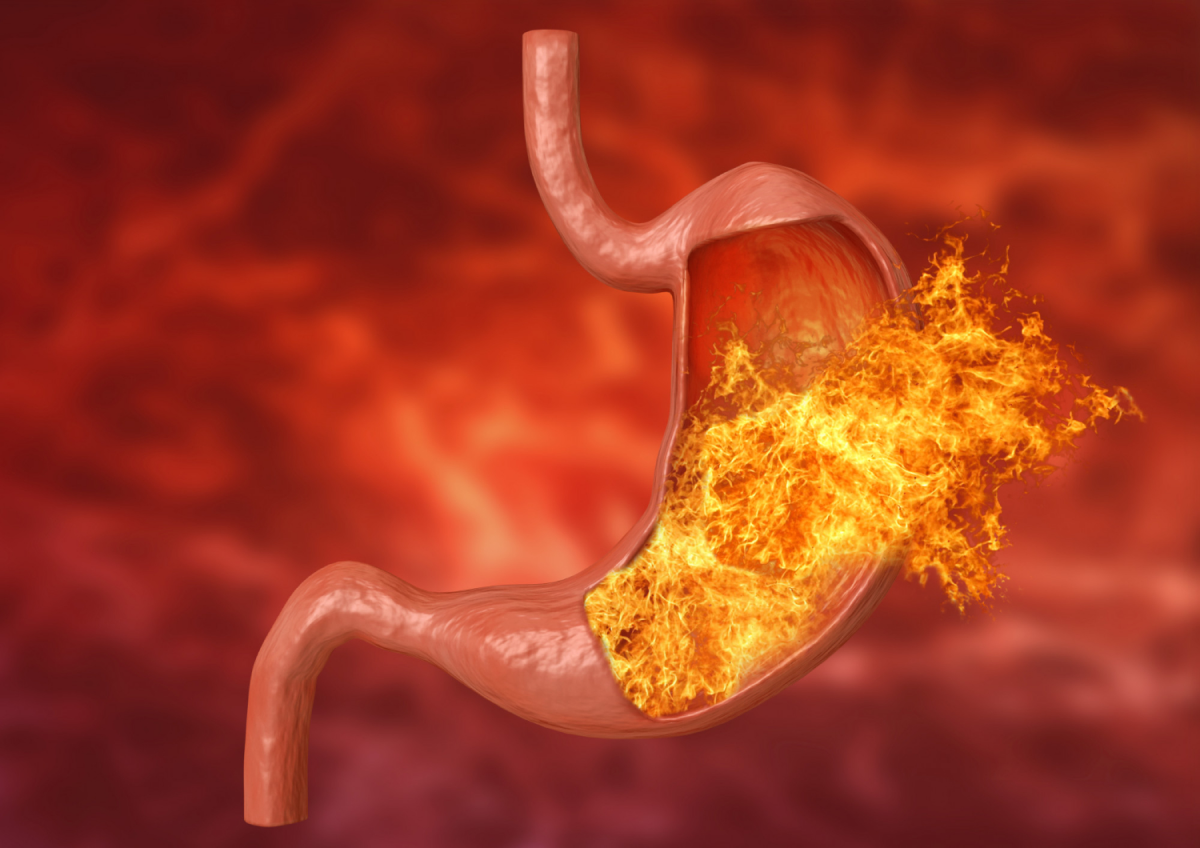
High-fiber options like oatmeal and root vegetables
Fiber-rich foods are important for a diet that works against acid reflux. A study shows that adding just 12.5 grams of soluble fiber daily reduced weekly heartburn episodes. Oatmeal stands out as an excellent choice because it absorbs stomach acid and helps regulate digestion. This whole grain keeps you feeling full and prevents overeating.\
Root vegetables play a big role in your acid reflux support plan. Sweet potatoes, carrots, and beets contain soluble fiber that’s easy on digestion. These nutrient-dense vegetables fill you up without being acidic. More importantly, they pack complex carbohydrates that digest slower than simple carbs, which helps control hunger better.
Alkaline foods
The pH scale shows acidity levels, and alkaline foods help counter strong stomach acid. Bananas rank among the best alkaline fruits to fight reflux. Their pectin content helps keep proper digestive flow. These fruits coat irritated esophageal linings and bring quick relief. Melons shine as highly alkaline fruits that neutralize stomach acid. In fact, these fruits link to lower GERD risk.
Watery foods like cucumber and lettuce
Foods high in water naturally dilute and weaken stomach acid. Cucumber packs plenty of water, making it perfect when you want something crunchy without risking a flare-up. Celery works the same way, helping keep irritating stomach acid in check through its high water content. Lettuce gives you the same benefits as other water-rich vegetables. Its high water content helps weaken stomach acid, which reduces reflux-related irritation. Green vegetables like broccoli, asparagus, and leafy greens protect you more through their alkaline properties and low fat content.
Eating Habits That Make a Difference
Your acid reflux management goes well beyond what’s on your plate. How you eat makes a huge difference. Simple changes to your dining habits can improve your symptoms.
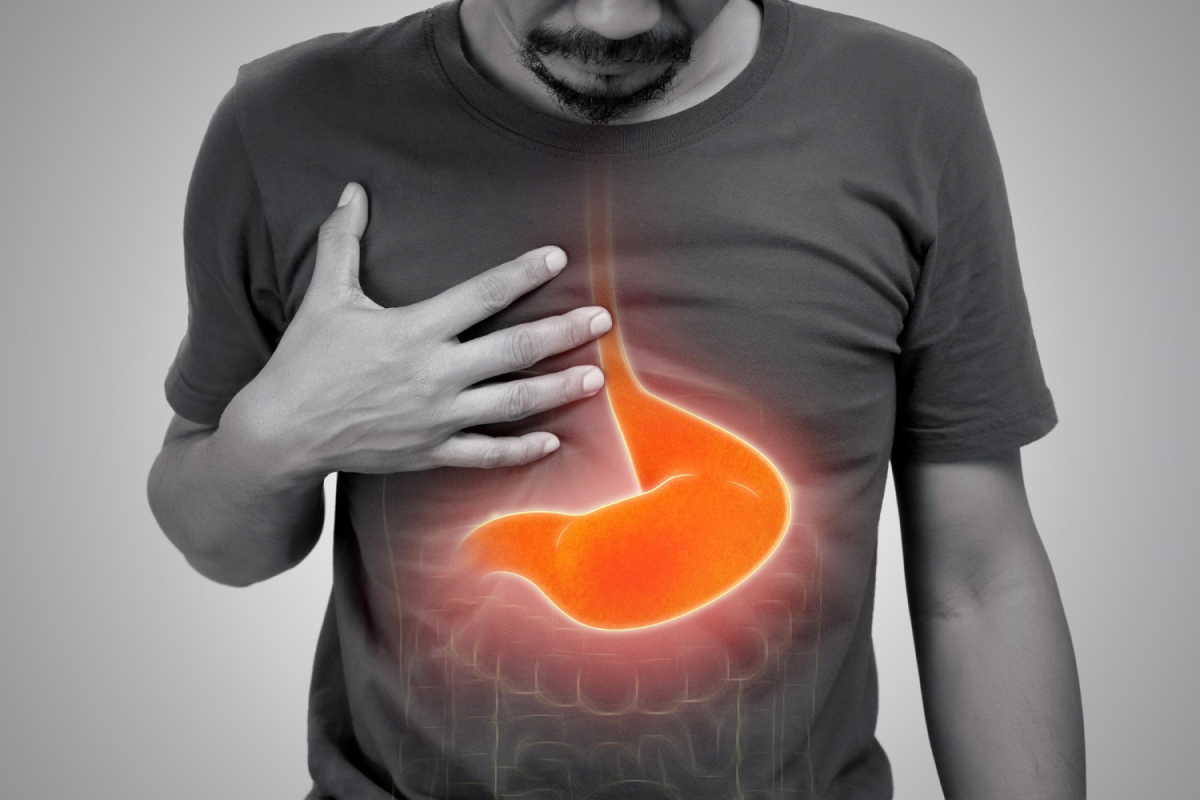
Avoiding large meals
You can manage reflux better with smaller, frequent meals. Studies show eating larger portions (600ml vs 300ml) leads to more reflux episodes (17 vs 10) and increases total acid reflux time (12.5% vs 5.5%). Your stomach’s fundus stretches with large meals and puts pressure on the lower esophageal sphincter that stops backflow. The better approach is to “graze” with mini-meals throughout your day to keep digestion steady.
Not eating close to bedtime
The best practice is to finish your last meal 2-3 hours before bed. This timing makes a big difference. People who eat less than 3 hours before bed face 7.45 times higher odds of GERD compared to those who wait 4+ hours. Acid flows up into your esophagus much easier without gravity’s help when your stomach is full.
Staying upright after meals
Your body needs you to stay upright for at least an hour after eating. Standing or sitting helps gravity keep stomach acid in place. Your esophagus should always stay above your stomach level. Skip intense workouts for a couple hours after meals, though a relaxed evening walk works fine.
Do You Need A Stomach Doctor?
Dr. James Maher, like many gastroenterologists, suggests starting with these natural approaches for most acid reflux patients. When you pay attention to these lifestyle factors, you can take charge of your symptoms instead of letting them run your life. These straightforward but powerful changes could reshape your daily comfort and digestive health for years to come. Reach out to Dr. James Maher.
Acid Reflux FAQs
What are helpful lifestyle changes to manage acid reflux?
Effective lifestyle changes include eating smaller, more frequent meals, avoiding trigger foods like fried items and citrus, incorporating high-fiber foods, not eating close to bedtime, and staying upright after meals. These adjustments can reduce acid reflux symptoms.
Which foods can help alleviate acid reflux symptoms?
Foods that can help alleviate acid reflux symptoms include high-fiber options like oatmeal and root vegetables, alkaline foods such as bananas and melons, and watery foods like cucumber and lettuce. These foods can help neutralize stomach acid and promote better digestion.
How long should I wait after eating before lying down?
It’s recommended to wait at least 2-3 hours after eating before lying down. This allows time for proper digestion and reduces the risk of acid flowing back into the esophagus. Maintaining this interval between dinner and bedtime can significantly lower the odds of experiencing GERD symptoms.
Can chewing gum help with acid reflux?
Yes, chewing gum after meals can help with acid reflux. Studies have shown that chewing gum can reduce acid contact time in the esophagus for up to three hours after a meal. This simple habit can be an effective part of managing acid reflux symptoms.
How does meal size affect acid reflux?
Meal size significantly affects acid reflux. Larger meals can lead to more reflux episodes and longer acid exposure times. Consuming smaller, more frequent meals throughout the day can help maintain steady digestion and reduce the likelihood of experiencing acid reflux symptoms.